
Don’t call it a comeback (because it may not be one).
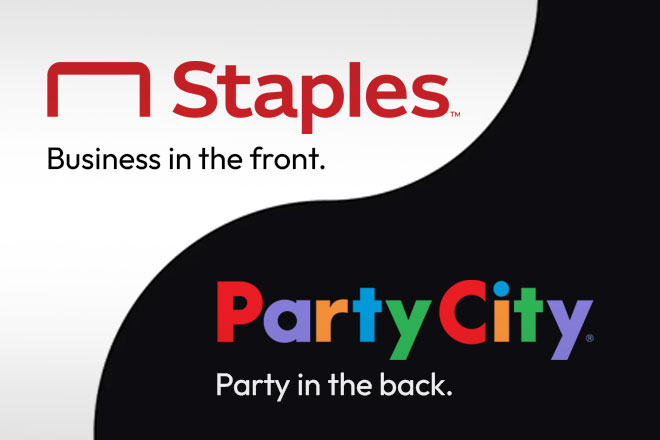
Graduation season is underway, and Staples has joined the party. The retailer has partnered with Party City to launch shop-in-shops in over 700 U.S. locations, creating a one-stop destination for party supplies, decorations, and balloons. It’s an interesting brand partnership strategy for sure, but does it make sense? Let’s break it down.
According to the partners, the companies are a great match.
“Staples has always been focused on making things easy for our customers, and our partnership with Party City takes that promise into new territory,” Staples President Marshall Warkentin said in a statement accompanying the announcement. “By bringing Party City into Staples stores, we’re expanding what customers can accomplish in one place — combining helium balloons and party supplies with our print and marketing services to offer a complete solution for celebrations, from graduations to grand openings and everything in between,” he continued.
Looks good on (printer) paper. But from a brand partnership strategy standpoint, it’s not exactly a logical pairing.
For years, Staples has carved out its niche with small businesses, professionals, and students. It’s been a store that people visit with a clear purpose – to buy paper, ink cartridges, and office equipment. The trip is largely transactional; get what I need and get out.
Party City? It’s quite the opposite. Shoppers go there when they’re planning something fun and celebratory – birthday parties, grad parties, and baby showers. It’s less about completing a task and more about creating a moment. Customers look around and take their time. They hunt for the perfect theme, party favor, or trinket that will make their event feel special.
The problem is that these two customer mindsets rarely intersect. A business owner running in for ink and toner isn’t browsing balloons and streamers. A mom searching for the perfect party décor isn’t checking out office chairs.
The challenge will be how to make these disparate offerings feel relevant at the same time. While the brand partnership strategy may work on an operational level (Party City gets retail exposure without the cost of a massive footprint), it feels pretty forced from a positioning one. The brands just stand for two completely different things.
To be fair, Staples is under pressure to evolve beyond traditional office supplies. In theory, party merch can certainly drive temporary, seasonal traffic while giving Staples’ shoppers another reason to go to a store they’d likely only visit occasionally. But will customers join the party and buy all year long? Time will tell.
They’ve definitely bought into this one, though: Target x Starbucks.
These two powerhouses represent the gold standard of a brand partnership strategy. Shoppers typically run through mass merch stores with a “get in and get out” mindset. But when they can grab their favorite Starbucks drink at the entrance before they even start shopping, everything changes. That “gotta get it done” attitude turns into a relaxed Target run, leading to more exploring, more browsing, and more impulse purchases along the way. From an audience standpoint, it also makes a ton of sense. Target and Starbucks share the same shopper base: busy, middle-income parents who want an easy way to buy little, affordable luxuries. And if that means they want to add their favorite latté to their Drive Up order, one tap in the app makes it happen. More genius marketing at work.
Staples and Party City may share some overlap during graduation season or small business events like local grand openings, but they aren’t naturally part of the same shopping mindset. The challenge will be making the partnership feel intuitive beyond those seasonal bursts.
And when partnerships fail to feel intuitive, brands can quickly run into trouble.
A few years ago, Forever 21 teamed up with the Atkins diet brand and tucked lemon diet bars inside their online orders. The bars were shipped with every order, including those containing plus-sized clothing. Customers were outraged. Many felt body-shamed, saying the diet freebies arriving with their plus-size purchase implied they needed to lose weight. Even though the bars were sent to all customers, regardless of size, the damage was done. It was a brand partnership strategy that ultimately lacked strategy and foresight.
People evaluate partnerships based on what feels right. They instinctively decide whether two brands fit together or whether the collab feels opportunistic, fake, or forced. The best partnerships don’t just combine brands; they combine customer mindsets. The real question Staples and Party City will have to answer is whether or not they’re tapping into a shared mindset of their customers or simply sharing square footage in their stores.
At Innis Maggiore, we create strategies that hold up in the real world, not just on paper. To learn about how we can make a meaningful difference for your brand, reach out today.