

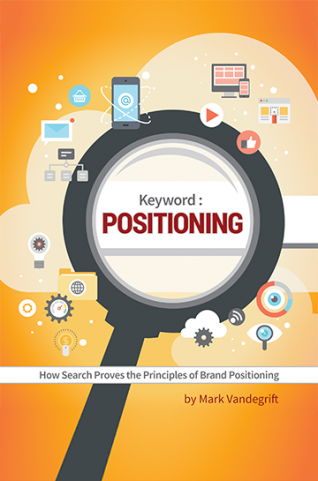

Every good marketer loves a solid strategy presentation. They’re built with a solid foundation and clear objectives. However, many go-to-market strategies are missing a key part. At Innis Maggiore, we talk about “getting the right idea” – finding and focusing on a client’s position. This is the most important step, but the next step is about “getting the idea right” – executing the positioning strategy.
A go-to-market strategy can’t be effective without defining the following:
- How do we best dramatize the position in the marketplace?
- How do we develop the emotional dynamite needed to seed the position in the mind of our target?
- How do we develop a media campaign to tell the story and engage the customer along every stage in the purchase funnel?
If you miss any of these areas, your go-to-market plan will fail. It’s not easy, which is why many companies choose to work with an agency. The following will at least help you understand how a strong go-to-market strategy is built.
What a Go-To-Market Strategy Really Is
A go-to-market (GTM) strategy is often mistaken for a simple flowchart or a list of channels to "check off" before you go live. A true GTM strategy is a comprehensive and coordinated plan to help you win share of mind and market. It’s not enough to just plan to sell; your success will be dependent on execution. If you don’t have a solid strategy that bridges the gap between your product or service and the mind of the prospect, you’re just creating clutter.
Creative Strategy Makes Every Dollar Work Harder For You
Creative is not merely "executional,” it is strategic. Even the best media plan will fail if it’s paired with forgettable creative that is not rooted in the brand’s position. In a noisy world with so much clutter, you must earn attention; it can’t be bought. Generic marketing or marketing without focus is the most expensive marketing you can buy because it simply doesn't work. It’s like traveling without a destination.
Creative Strategy Winners:
- Nike succeeds because they lead with emotion, not the product. Their campaigns focus on belief and identity – Just Do It. This is simple and bold. They don't explain, they move people.
- Old Spice reinvented its declining brand by breaking the category norm with humor and absurdity. They added a little more “swagger” to the brand. They turned a forgettable product that your dad used into a cultural conversation.
- Aflac successfully and strategically introduced its infamous duck in TV spots in 2000 to help consumers learn the personality of the duck before overusing it on a billboard. Now the duck can be used in print, on billboards, in radio, etc., because the brand introduced the duck in a long-form storytelling medium, rather than a static environment.
Making a Go-to-Market Plan Come To Life Through Media Strategy
If positioning is the foundation of your strategy, media is the execution engine. Too many brands fall into the trap of "I have to be everywhere,” which is almost never the way to execute. Instead, you must define specific roles for each channel:
- Awareness: Create visibility and build brand recognition to plant the seed.
- Consideration: Engage the consumer to nurture the relationship during the decision process.
- Conversion: Being present at the point of decision to help close the sale.
- Retention and Loyalty: Building the relationship to keep them coming back.
Media Strategy Can Be Tricky
Too many times, we see budgets spread too thin across too many platforms and tactics in general. This causes different problems that all lead to ineffectiveness in everything you do. It’s better to advertise in two or three channels well than spread yourself too thin across ten. The right channel isn’t about what’s trendy or familiar to you; it’s where your audience, your goals, and your resources cross. You become much more efficient when every dollar is assigned a purpose.
Media Strategy Masters:
- Amazon is great at this. They don't just buy ads; they build out a full-funnel experience. From a massive brand presence on Prime Video to hyper-targeted product ads at the point of purchase, they align media to intent and timing to continue driving users to purchase.
- Similarly, Geico gets into heads with a consistent message through multiple creative executions and high-frequency media. In a commoditized category like insurance, they use creative strategy and media as a tool to stay top-of-mind so they are the first thought when a customer needs to save "15 percent or more."
A Successful Plan Balances Brand and Performance Marketing
Many marketers make the assumption that they need to choose between brand and performance. In a successful go-to-market plan, they are two sides of the same coin. The term “Bothism,” coined by Mark Ritson, states, “[it is] the rare capacity to not only see the value of both sides of the marketing story, but to actively consider and co-opt them into any subsequent marketing endeavor in an appropriate mix.” This simply means that a strategic mix of both brand-building and conversion media can be more effective than choosing one or the other, strengthening the overall impact of the plan. Brand investment lowers resistance, making performance marketing significantly more efficient.
Measurement Should Align With Strategy
Don’t forget to define success upfront. If you don’t know what winning looks like before you start, your strategy will simply reflect whatever appears to be working based on the latest data. Your measurement and strategy should be aligned. It should be connected to business outcomes. Move beyond just clicks to understand how the channels you have chosen are working together. Throughout the campaign, continue to monitor and optimize. This is how you determine if your GTM plan is actually making an impact on the market and accomplishing what you set out to do.
Change the Market or Stay Home
A go-to-market plan is only successful if it actually changes market behavior. Strategy remains an exercise until it shows up in real life, where the market only buys what makes sense to it. When you coordinate a unique position and strategic creative with balanced data-driven media, you move past just playing the game, and you start winning in the mind of your customer.
It all comes down to clarity, consistency, and coordination, which will always win over complexity. If your strategy doesn't communicate a unique idea or move a specific audience to act, it isn’t an effective go-to-market plan. If you are looking for help, contact Innis Maggiore today to see how we can help you get the right idea — and then get the idea right.